

If you’ve been following the tech headlines lately, you’ve likely seen the phrase "Data Center Sprawl" popping up more than ever. It’s a hot topic, and for good reason. As we all rush to embrace the power of Artificial Intelligence (AI), we’re starting to realize that the "Cloud" isn’t just some ethereal, weightless space in the sky. It has a physical footprint: and a massive one at that.
At Splashwire, we’ve been navigating the evolution of technology for over 25 years. We’ve seen the industry shift from heavy on-premise hardware to the birth of the cloud, and now to the dawn of the AI era. Throughout those two and a half decades, one thing has remained constant: Technology must serve the community, not drain it.
The reality is that the cloud is thirsty. AI workloads require an incredible amount of power and water for cooling. As these massive data campuses expand into our backyards, the question isn’t whether we need them: we do: but how we can grow them responsibly.
The Physical Cost of AI
Why is this such a big deal right now? It’s simple: AI is a resource hog. A single ChatGPT query can use nearly ten times as much electricity as a standard Google search. To keep those high-performance chips from melting, data centers have historically relied on millions of gallons of fresh drinking water every single day.
When you scale that up to "sprawl" levels: huge complexes spanning hundreds of acres: you start to see a direct conflict between technological progress and local resource preservation. We’re seeing communities express genuine concern about their power grids and their water tables.
But here’s the good news: We don’t have to choose between innovation and our environment. We just have to be smarter about it.
Lessons from the Leaders: Doing it Right
When we look at how to handle this sprawl, we don't have to reinvent the wheel. There are already blueprints for responsible growth being laid out across the globe.
1. The Nordic Model: Turning Waste into Warmth
In Stockholm, they don’t see the heat generated by data centers as a waste product; they see it as an asset. Through initiatives like Stockholm Data Parks, excess heat from servers is captured and pumped back into the city’s district heating network.
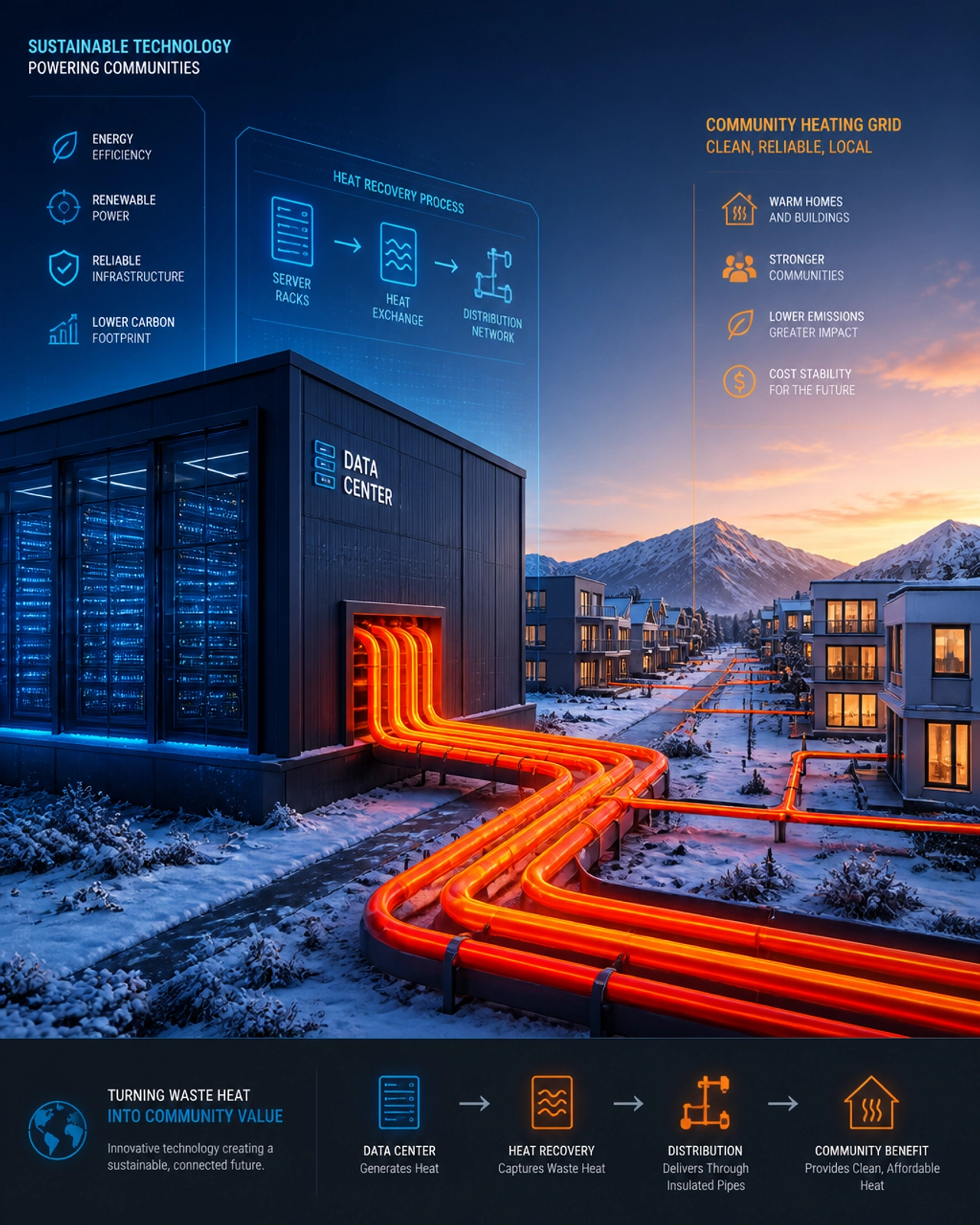
Instead of just venting that heat into the atmosphere, it’s used to warm over 30,000 modern apartments. It’s a closed-loop philosophy that turns a "resource hog" into a community utility. This is the kind of forward-thinking strategy we admire. It’s about integration, not just installation.
2. Memphis: The Greywater Compromise
Closer to home, we’ve seen the drama surrounding Elon Musk’s xAI "Colossus" facility in Memphis. Initially, there were major concerns about the facility drawing 3 million gallons of water daily from the Memphis Sand Aquifer: the city’s primary source of drinking water.
The response? A plan for a $80 million water recycling plant that would use treated wastewater (greywater) for cooling instead of tapping into the community's drinking supply. While recent updates in May 2026 suggest construction has seen some pauses due to prioritization shifts, the concept remains a vital blueprint. Using treated wastewater is a massive step toward making AI sustainable in water-stressed regions.
3. Minnesota: Legislation with Teeth
Minnesota is also showing us how to balance the books. In a recent legislative compromise, the state extended lucrative sales tax exemptions for data centers: some worth up to $100 million annually. But there was a catch.
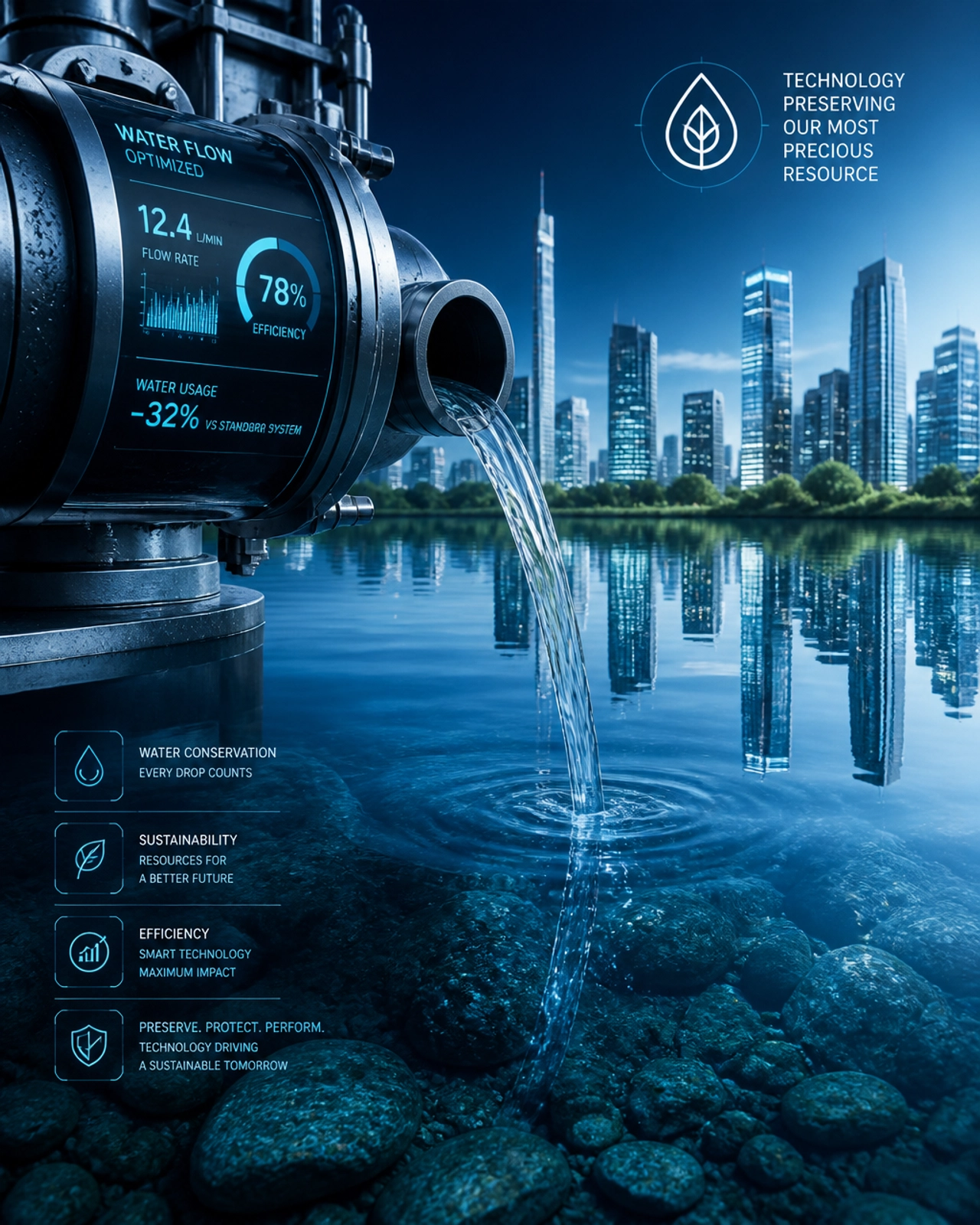
To get those incentives, facilities must now adhere to strict water conservation requirements. Any data center planning to use more than 100 million gallons of water annually has to undergo rigorous evaluation and report their usage directly to the Department of Natural Resources. This "carrot and stick" approach ensures that growth happens on the community's terms.
How Splashwire Guides the Way
You might be asking, "How does a company like Splashwire fit into this massive global conversation?"
We aren't the ones building 100-acre campuses. Instead, we act as the strategic guide: the vCIO (Virtual Chief Information Officer) and vCISO (Virtual Chief Information Security Officer): for businesses trying to navigate this landscape. We help you use the cloud and AI without contributing to the "sprawl" problem.
Strategic Workload Optimization
The most sustainable server is the one you don't have to run. We specialize in workload optimization. By streamlining your processes and ensuring your applications are running efficiently, we reduce the total compute power you need. That translates directly to lower energy and water consumption at the data center level.
Smart Hybrid Cloud Design
We don't believe in "Cloud for Cloud's sake." Our experts build best-of-breed hybrid cloud solutions that place your data and applications where they make the most sense: balancing performance, security (like PCI and HIPAA compliance), and resource efficiency.
By leveraging a Hybrid Cloud design, we can help you keep sensitive data local while bursting to the cloud only when necessary. This reduces the "always-on" footprint that contributes to sprawl.
Leading the AI Charge Responsibly
If you're ready to integrate AI but want to do it the right way, we’re here to help. Our AI Strategy Workshop isn't just about what AI can do; it's about how to implement it strategically and sustainably.

The Bottom Line
Technology is an incredible force for good, but it doesn't exist in a vacuum. It relies on the power, water, and goodwill of our communities. As we look toward the next 25 years, Splashwire is committed to being the partner that helps you grow responsibly.
We don't need to stop the growth of AI or the cloud. We just need to stop the mindless sprawl. By taking lessons from the Nordics, Memphis, and Minnesota, we can build a tech ecosystem that is as respectful of our resources as it is powerful in its capabilities.
How? Through strategic leadership and better design.
Why? Because a "thirsty" cloud eventually runs dry for everyone.
THANK YOU to our clients and partners who continue to trust us to lead them through these complex shifts. We are honored to be your guide.
Ready to optimize your tech footprint and lead with AI strategy? Let’s talk about your roadmap.